Personal Finance

Personal finance is about managing your money in everyday life — from budgeting and saving to building better money habits. For beginners, learning personal finance basics helps avoid common mistakes and make smarter financial decisions over time.

At SimpleMoneyLab, our personal finance guides focus on simple explanations and practical steps. Whether you’re creating your first budget, trying to save consistently, or tracking expenses more effectively, these articles are designed to help you build a strong money foundation without confusion or unrealistic advice.

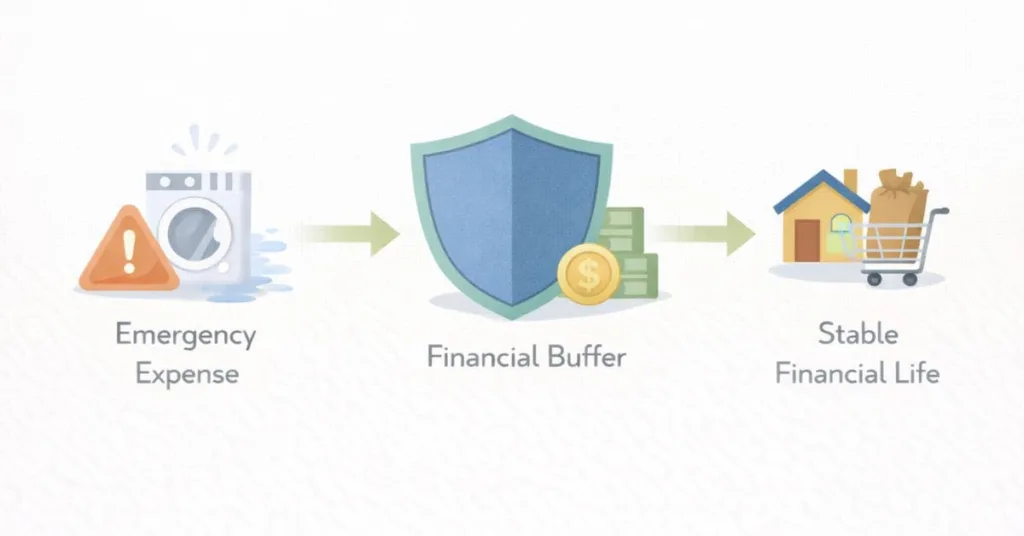
Flat illustration showing emergency financial protection shield protecting household expenses from unexpected financial shocks using simple money flow diagram

Understanding Emergency Funds and Why They Matter

Unexpected expenses are one of the biggest reasons people feel financially stressed, especially when money is already allocated to monthly bills. In the United States, costs like medical visits, urgent repairs, or sudden travel can appear without warning. When these events happen, the financial pressure often comes from timing — not just from the cost […]
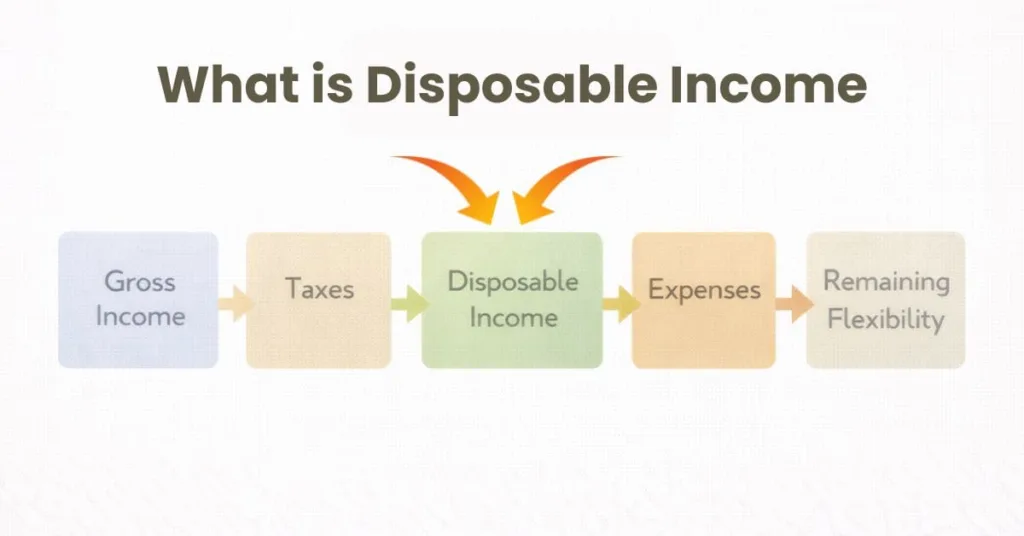
A vertical income breakdown infographic explaining how income moves from gross income to taxes, disposable income, essential expenses, and finally discretionary income. This visual helps beginners understand how income actually becomes usable spending money.

Understanding Disposable Income in the United States

Income terms can feel confusing for many beginners, especially when paychecks don’t match what people expect to take home. In the United States, earnings move through taxes, payroll deductions, and benefits before they become usable income. Because of this, many people aren’t sure what money is actually available for spending after essential deductions are taken

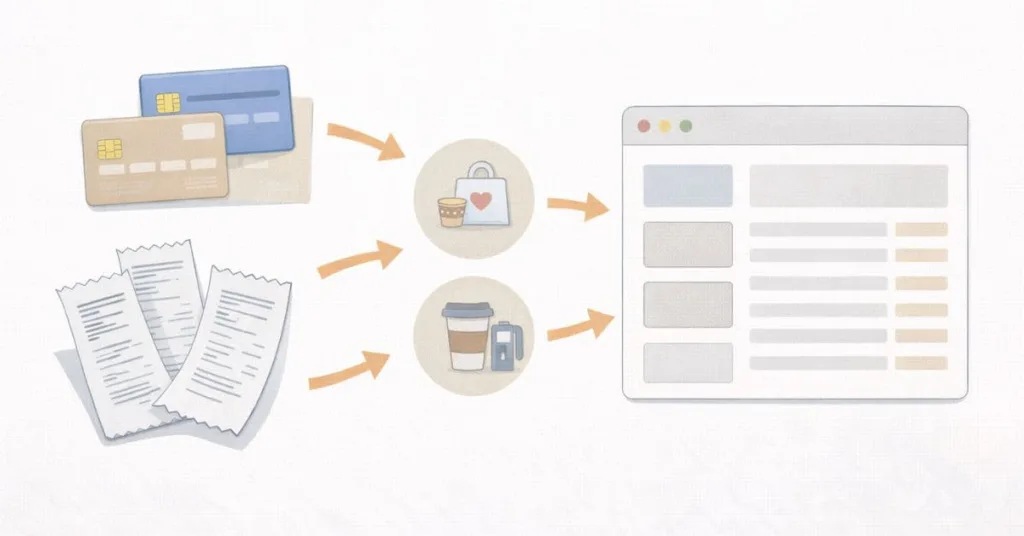
Abstract illustration showing cards, receipts, and small transactions flowing into a simple dashboard, explaining how to track spending without overwhelm

A Beginner-Friendly Way to Track Spending Without Stress

Many beginners feel overwhelmed when they hear that they should track every dollar they spend. It often sounds time-consuming, restrictive, and mentally exhausting. This reaction is common — especially for people navigating money decisions for the first time in the United States, where payments happen across cards, apps, auto-renewals, and digital wallets. Learning how to

Young adult reviewing bills and laptop while planning fixed and variable expenses at home in a neutral US apartment setting

Understanding Fixed and Variable Expenses in the US

Many beginners feel confused when trying to categorize expenses, especially when budgeting for the first time. Fixed and variable expenses sound simple in theory, but real-life spending in the United States doesn’t always fit neatly into those boxes. This confusion is normal, not a sign of doing something wrong. Budgeting often breaks down when expenses

Young adult reviewing budget notes and bills on a laptop at a table in a neutral US home environment

Why Budgeting Feels Hard for Beginners in the United States

Many beginners try budgeting for the first time and feel frustrated when it doesn’t work the way they expected. This isn’t because people are bad with money or lack discipline — it’s because real financial life in the United States is more dynamic than a simple spreadsheet or budgeting app can capture. Most budgets are

Young adult sitting at a desk with laptop, bills, and paperwork in a US apartment analyzing personal finances

Common Money Mistakes Beginners Often Make

Getting started with money in the US can feel surprisingly confusing. There isn’t much structured financial education in school, and most people are expected to learn through trial and error once they enter adulthood. That’s why common money mistakes happen all the time — not because people are irresponsible, but because the system itself is

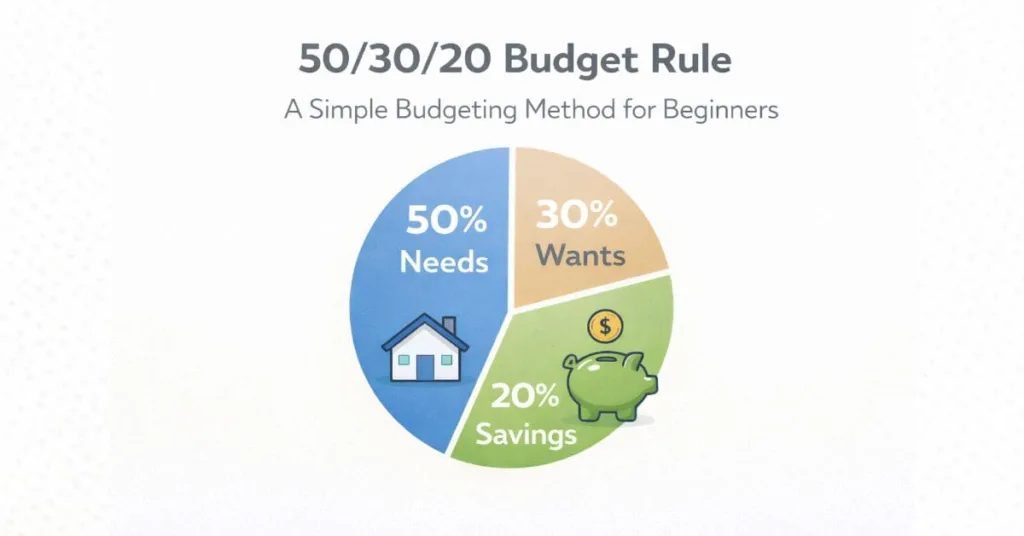
50/30/20 budget rule infographic showing 50 percent needs, 30 percent wants, and 20 percent savings for beginners

50/30/20 Budget Rule Explained: A Simple Guide for Beginners

Budgeting often feels confusing, especially when you’re just getting started. Many beginners worry that creating a budget means cutting out everything they enjoy or following strict rules that are hard to maintain. If you’ve ever felt unsure about how much you should spend, save, or set aside each month, you’re not alone. 💭 This is

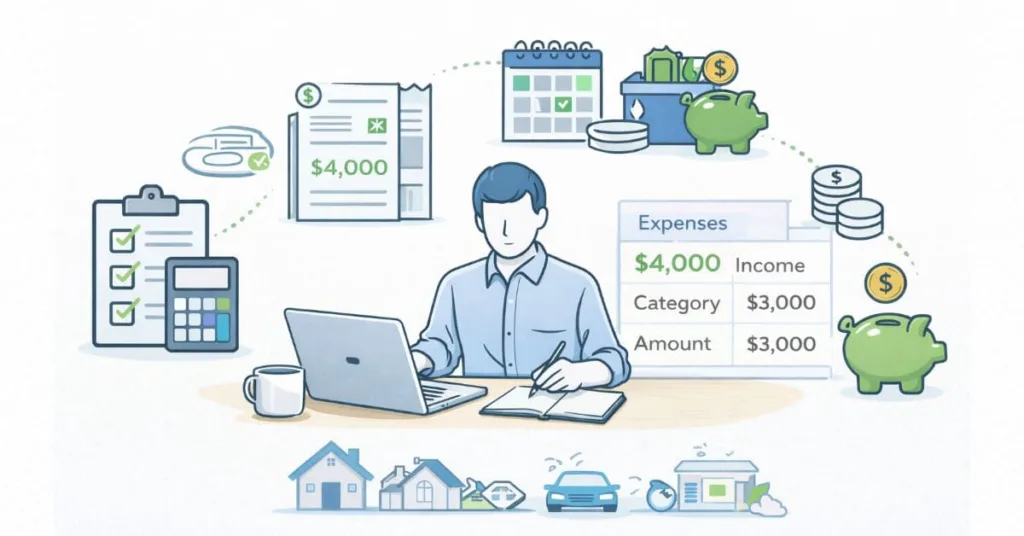
Flat-style personal finance budgeting illustration showing a person managing money categories like income, expenses and savings in the US

How to Create a Monthly Budget for Beginners (Simple US Guide)

Creating a monthly budget can feel overwhelming at first. Many beginners worry that budgeting means cutting out everything they enjoy or tracking every dollar perfectly. If you’ve ever looked at your paycheck and wondered where the money went by the end of the month, you’re not alone. Budgeting isn’t about being strict or doing complex

What is personal finance explained with a simple desk setup showing budgeting and money planning for beginners

What Personal Finance Really Means for Beginners

Money can feel confusing, especially when you’re just getting started. You earn a paycheck, pay rent, buy groceries, and cover bills — yet it still feels like money disappears faster than expected. Many beginners feel this way, and it’s not because they’re bad with money. It’s usually because no one clearly explains how personal finance

Scroll to Top