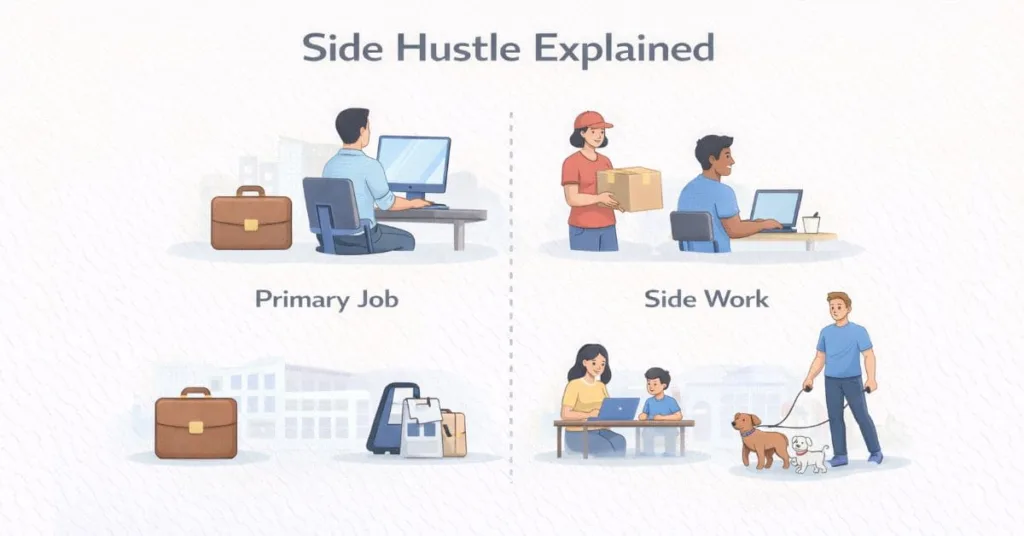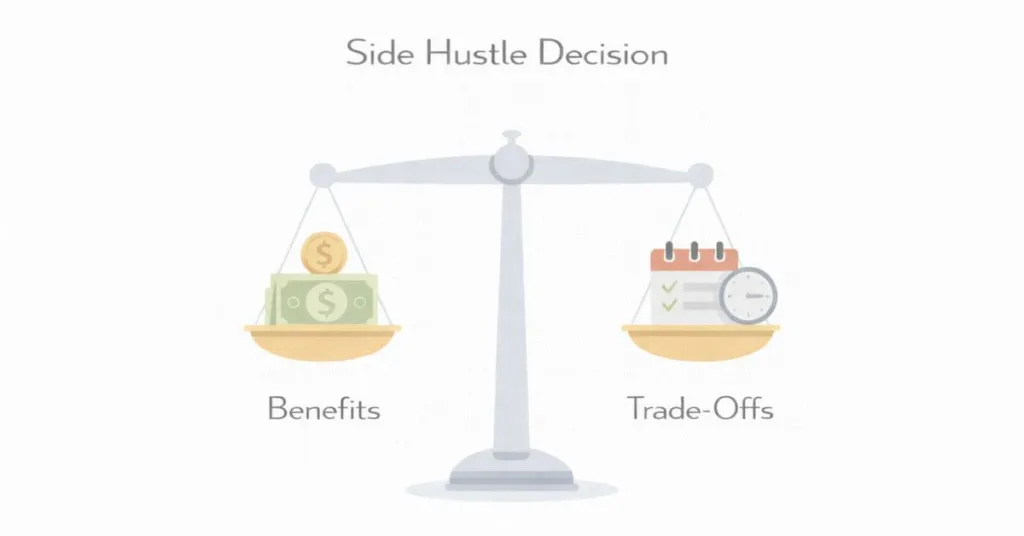
Many people explore additional income options at some point, especially as living costs, career uncertainty, and financial goals evolve. It’s natural to wonder are side hustles worth it, particularly when social media and online discussions often present them as simple solutions.
In reality, side hustles can look very different depending on time availability, energy levels, and personal expectations. While some people value the flexibility and learning opportunities they provide, others discover that balancing extra work alongside full-time responsibilities can be challenging.
In the United States, side hustles have become more common as flexible work arrangements expand. Understanding both the benefits and trade-offs helps beginners move past hype and evaluate side hustles from a realistic, long-term perspective.
Why So Many People Consider Side Hustles
Interest in side hustles has grown steadily in recent years, especially as financial priorities and work expectations continue to change. For many beginners, the motivation is not quick wealth but greater financial flexibility and stability.
Several real-world factors explain why more people begin exploring side work.
📈 Rising Living Costs
Housing, transportation, healthcare, and everyday expenses have increased across many parts of the United States. As costs shift over time, some individuals look for additional income sources to create breathing room within their budgets.
Side hustles are often viewed as one way to supplement existing income rather than replace primary employment.
💼 Income Diversification
Relying on a single income source can feel limiting or uncertain for some workers. Exploring additional earning opportunities allows people to diversify income streams and reduce dependence on one paycheck.
This approach is often connected to long-term financial resilience rather than short-term gains.
⏱ Flexibility Appeal
Unlike traditional second jobs, many side hustles offer flexible scheduling.
This flexibility may allow individuals to:
- Work around full-time employment
- Manage family responsibilities
- Experiment with new skills
Flexibility is often one of the strongest reasons beginners consider side work.
Growth of the US Gig Economy
Technology platforms and independent contracting opportunities have expanded flexible work options across the US labor market. As awareness grows, more people begin exploring what additional work opportunities actually involve.
Understanding what a side hustle means helps provide foundational clarity before evaluating whether side hustles are worth pursuing.
Most people consider side hustles for flexibility and financial stability — not overnight success.
The Potential Benefits of Side Hustles
While side hustles are not automatic solutions, many beginners explore them because of the practical advantages they can offer over time. The value of a side hustle often extends beyond money and includes learning, flexibility, and confidence-building experiences.
💵 Extra Income Flexibility
One commonly discussed benefit is the possibility of earning additional income alongside a primary job.
Extra income may help with:
- Managing variable expenses
- Supporting savings goals
- Handling unexpected costs
For many people, the appeal lies in flexibility rather than replacing full-time employment.
🧠 Skill Development
Side hustles can create opportunities to develop new abilities or strengthen existing ones.
This may include:
- Communication Skills
- Technical Abilities
- Time Management
- Client Interaction Experience
Skill development often becomes one of the longest-lasting benefits, even if the side hustle changes over time.
🔍 Career Experimentation
Some individuals use side hustles to explore interests outside their primary career path.
This allows beginners to:
- Test new fields gradually
- Explore creative interests
- Gain experience without major career risk
Side work can function as a learning environment rather than a permanent commitment.
📈 Financial Confidence
Managing additional work responsibilities can improve confidence around money decisions and financial planning.
Over time, individuals may become more comfortable with:
- Budgeting decisions
- Income planning
- Goal setting
Exploring different types of side hustles can help beginners understand which structures best match their skills and schedules.
Side hustles can offer flexibility, learning opportunities, and confidence — not just additional income.
The Hidden Trade-Offs Most Beginners Don’t Expect
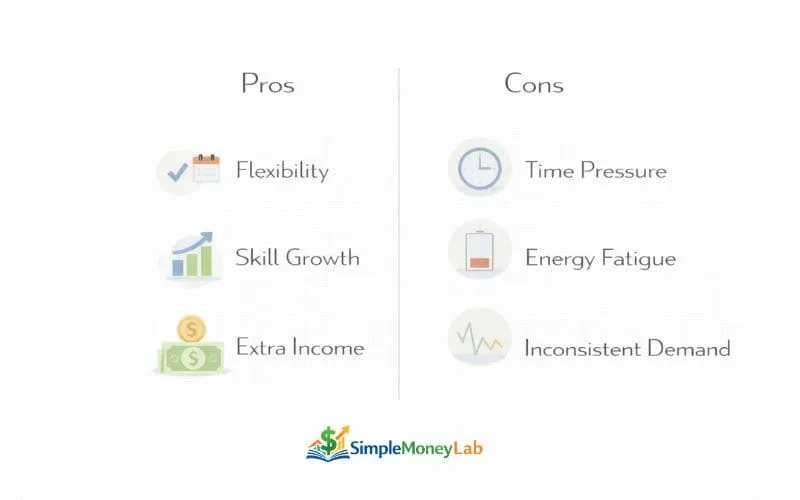
Side hustles are often discussed in terms of opportunity, but many beginners discover challenges only after getting started. Understanding these trade-offs helps create realistic expectations before committing additional time and energy.
Side hustles add responsibility — not just income potential.
⏳ Time Pressure
Balancing a side hustle alongside full-time work, education, or family responsibilities can quickly create scheduling pressure.
Common challenges include:
- Reduced free time
- Evening or Weekend commitments
- Difficulty maintaining routines
Time availability often becomes the biggest limiting factor rather than motivation.
⚡ Energy Fatigue
Extra work requires sustained mental or physical energy.
Over time, beginners may experience:
- Decision Fatigue
- Reduced Rest time
- Lower Productivity in primary work
Energy management becomes just as important as time management.
📉 Inconsistent Demand
Many side hustles do not provide predictable workflows.
Demand may fluctuate due to:
- Seasonal activity
- Market competition
- Client availability
Periods of high activity may be followed by slower phases, which can feel discouraging without realistic expectations.
📚 Learning Curve Reality
Starting a side hustle often involves learning new systems, skills, or processes.
Early stages may include:
- Trial and error
- Slower progress
- Adjustment periods
Reviewing Common beginner Money Mistakes helps highlight how unrealistic expectations can sometimes lead to frustration when outcomes take time.
Side hustles involve trade-offs in time, energy, and learning — not just potential benefits.
Time vs Reward: The Real Balance
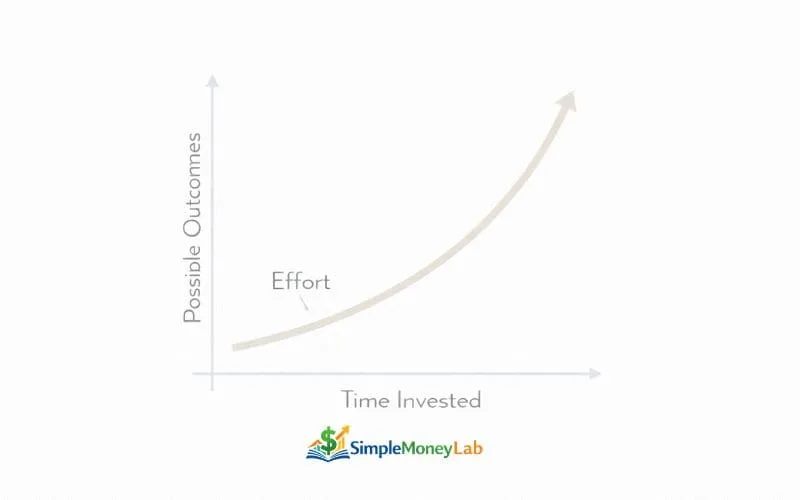
One of the biggest questions beginners eventually face is whether the time invested in a side hustle truly feels worthwhile. While side hustles can create opportunities, they also compete with limited personal time and energy.
Understanding this balance helps move the conversation away from hype toward realistic expectations.
⏱ Time Investment Reality
Every side hustle requires ongoing effort.
This may include:
- Learning new skills
- Communicating with clients
- Completing tasks outside regular work hours
- Managing schedules
Even flexible side hustles still demand consistent attention over time.
⚖ Opportunity Cost
Time spent on a side hustle replaces time that could be used elsewhere.
This might include:
- Rest and Recovery
- Family or Social time
- Professional Development
- Personal Interests
Evaluating opportunity cost helps beginners decide whether additional work aligns with current priorities.
🔋 Burnout Risk
Adding work without adjusting expectations can increase stress levels.
Common risks include:
- Reduced downtime
- Mental fatigue
- Declining motivation
- Difficulty maintaining balance
Sustainable pacing often matters more than short bursts of intense effort.
🏡 Lifestyle Impact
Side hustles can change daily routines in subtle ways.
They may influence:
- Sleep schedules
- Weekend availability
- Work-life balance
- Long-term energy levels
For some individuals, the flexibility feels empowering. For others, the additional workload may feel restrictive.
The value of a side hustle depends on how well the time invested fits personal lifestyle and energy capacity.
When Side Hustles Make Sense
Side hustles are not equally beneficial for everyone at every stage of life. In certain situations, however, they can align well with personal goals, schedules, or learning priorities.
Understanding when side hustles make sense helps beginners approach them with clearer expectations.
🧠 Skill-Building Phase
Side hustles can be useful during periods focused on learning or professional development.
Some individuals use side work to:
- Practice new skills
- Gain hands-on experience
- Explore interests outside their primary role
In this context, the value often comes from learning rather than immediate financial outcomes.
🎯 Debt or Savings Goals
Temporary financial goals sometimes motivate people to explore additional work.
Examples may include:
- Building savings buffers
- Preparing for large expenses
- Improving short-term cash flow stability
When expectations are realistic, side hustles may support structured financial planning efforts.
⏳ Flexible Schedules
Side hustles may fit more naturally when schedules allow extra capacity.
This can include:
- Remote or Hybrid work arrangements
- Predictable work hours
- Seasonal availability
Having scheduling flexibility often makes additional work more manageable.
🔍 Exploration Mindset
Some beginners approach side hustles as experiments rather than long-term commitments.
This mindset allows individuals to:
- Test interests gradually
- Understand different work styles
- Learn without immediate pressure
Exploration reduces the expectation that every side hustle must become permanent or highly profitable.
Side hustles tend to make more sense when they align with learning goals, flexible schedules, or clearly defined financial purposes.
When Side Hustles May Not Be Worth It
Side hustles are not automatically the right choice for every situation. In some circumstances, adding additional work can increase pressure rather than improve financial stability.
Recognizing these moments can prevent unnecessary stress and unrealistic expectations.
⏳ Limited Time Capacity
If daily schedules are already full, adding extra commitments can quickly feel overwhelming.
Limited capacity may include:
- Long primary work hours
- Caregiving responsibilities
- Academic commitments
- Health recovery periods
Without available time, even flexible side hustles can become difficult to sustain.
⚡ High Stress Periods
During periods of emotional, professional, or financial stress, additional work may add more strain instead of relief.
Examples might include:
- Job transitions
- Relocation
- Personal challenges
- Burnout recovery
In these cases, stabilizing routines may be more beneficial than increasing workload.
❓ Unclear Expectations
Side hustles can feel disappointing when expectations are not clearly defined.
Unclear goals may include:
- Vague income assumptions
- Unrealistic timelines
- Comparison to online success stories
Without clarity, it becomes harder to evaluate progress realistically.
🔄 Short-Term Motivation
Sometimes the desire to start a side hustle comes from temporary frustration rather than long-term intention.
Motivation driven by:
- Social pressure
- Trending topics
- Momentary excitement
May fade quickly once effort becomes required.
Side hustles may not be worth it when time, energy, or expectations are misaligned with current life circumstances.
How Beginners Should Think About Side Hustles
For beginners, the most helpful way to approach side hustles is through sustainability rather than urgency. Side work tends to be more effective when it fits naturally into existing routines instead of competing with personal well-being or stability.
A balanced mindset often leads to better long-term outcomes.
🌱 Sustainability > Speed
Side hustles usually develop gradually.
Focusing on manageable effort instead of rapid results helps maintain consistency without creating unnecessary pressure. Sustainable pacing often matters more than early intensity.
📚 Learning > Earning
Many beginners gain value from skills, experience, and confidence built during the process.
Learning how to manage time, communicate professionally, or handle responsibilities can become lasting benefits beyond short-term financial outcomes.
🧭 Fit > Trends
Popular side hustle trends may not match everyone’s lifestyle or strengths.
Choosing work that aligns with:
- Available time
- Personal interests
- Realistic energy levels
often improves long-term satisfaction and consistency.
🛟 Stability Awareness
Side hustles work best when they support — not replace — financial stability.
Understanding Emergency fund basics helps place additional income efforts within a broader financial safety framework rather than relying on unpredictable earnings.
Side hustles tend to work better when approached as sustainable learning experiences rather than fast financial solutions.
FAQs
Are side hustles actually worth it?
Side hustles can be worth it for some people, especially when they provide learning opportunities, flexible income, or a way to explore new skills. However, their value often depends on available time, energy, and expectations. When approached realistically, side hustles may complement financial goals rather than replace primary income.
Do side hustles really help financially?
Side hustles can help financially in certain situations, particularly when they support savings goals, provide extra flexibility for expenses, or create additional income streams. Their financial impact varies depending on the type of work, time invested, and consistency.
Are side hustles stressful?
Side hustles can sometimes create additional stress if they are added to an already busy schedule. Managing time, energy, and expectations plays an important role in keeping side work sustainable. When balanced carefully, some people find side hustles manageable and even enjoyable.
How much time do side hustles require?
The time required depends on the type of side hustle and how it is structured. Some side hustles may involve a few flexible hours per week, while others may require regular commitments or project deadlines. Time expectations vary widely across different categories.
Should beginners start a side hustle?
Beginners may consider starting a side hustle if they have available time, realistic expectations, and interest in exploring additional work opportunities. For many people, the learning experience and skill development can be as valuable as the financial aspect.
Can side hustles replace full-time income?
Most side hustles begin as supplementary work rather than full-time income replacements. While some people eventually transition into larger independent work opportunities, many side hustles are designed to provide additional flexibility rather than replace a primary job.
Final Thoughts
Side hustles can look very appealing at first glance, especially when they are discussed online as quick solutions to financial challenges. In reality, most side hustles develop gradually and require time, effort, and patience.
For many beginners, the real value often comes from learning new skills, gaining experience, and building confidence in managing additional responsibilities. These benefits can sometimes matter as much as the financial aspect itself.
Rather than expecting rapid results, it helps to think of side hustles as long-term experiments. Consistency, realistic expectations, and personal fit usually determine whether a side hustle becomes sustainable.
Understanding Common Side Hustle Myths can also help beginners separate realistic opportunities from exaggerated online narratives.
📍 The most effective side hustles are usually the ones that fit naturally into a person’s time, energy, and long-term goals.